

Conversion Rate Optimisation
💳 From Checkout Tricks to Coachella: When CRO Crosses the Line

Matt Wise
More than half the tickets were financed.
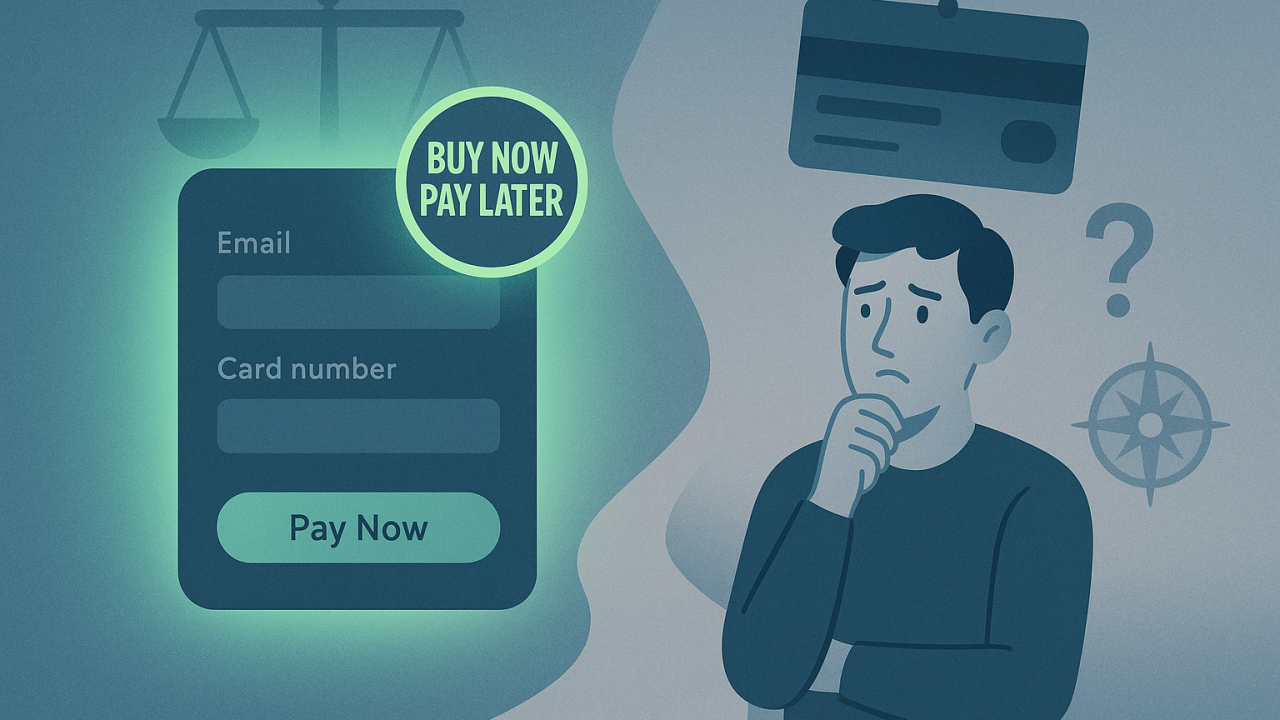
Roughly 60% of attendees used Buy Now Pay Later (BNPL) tools—installment schemes dressed up as convenience—to secure a spot. Some paid $49.99 up front, followed by months of payments and “service fees” that quietly padded the final cost.
It’s easy to laugh at the absurdity of financing a festival ticket. But honestly? This is just the public-facing version of something I’ve seen quietly spreading through CRO teams for years.
🧪 When We Tested Klarna
In my previous role, we ran a test offering Klarna at checkout for premium race day and hospitality bookings. We wanted to see if giving customers the option to split payments would drive upgrades.
Technically, it “worked.” Some segments spent more. Others didn’t. A few underperformed. But the test revealed something more important than any uplift:
It made me deeply uncomfortable.
Because here’s the thing: most people aren’t Klarna-ing because it’s convenient. They’re Klarna-ing because they don’t have the money.
🧠 CRO Has an Ethics Problem
We often treat CRO like a maths problem: run test A, measure conversion B, deploy the winner.
But optimisation without guardrails becomes exploitation.
- Countdown timers that aren’t real
- Financing options pushed before total cost is even visible
- Hidden fees made to look like service upgrades
- “Nudges” that cross the line into manipulation
And now, leisure is being sold on credit. Coachella, Lollapalooza, gigs, theatre tickets—people are financing joy in 6–12 month instalments. Because it’s marketed as freedom.
But it isn’t. It’s dependency.
📉 The Tipping Point
According to the FT, Klarna reported a 17% year-on-year increase in defaults in Q1 2025 — $136 million in unpaid loans. More customers are failing to repay what was pitched as “zero-risk” money.
So what happens when BNPL becomes the norm for everything from concerts to groceries?
We normalise phantom affordability. We trade long-term trust for short-term conversion.
And worst of all? We congratulate ourselves when the CRO dashboard turns green.
💡 What’s Our Responsibility?
As digital leaders, we have to ask harder questions.
Not just: Did this improve conversion?
But:
– Would I offer this to someone I care about?
– Does this enable better choices—or just more spend?
– Are we removing friction, or removing self-control?
Sometimes the ethical red flags are obvious. Other times they’re hidden behind slick UX and softened by a “user-first” narrative.
But make no mistake: the more we rely on financing to sell experiences, the further we drift from sustainable, customer-centric growth.
🧭 Final Thought
Coachella didn’t fail to sell out because people lost interest. It failed because people couldn’t afford it upfront — and the industry’s response was to make it easier to go into debt.
That’s not innovation. That’s abdication.
Just because it converts, does that make it right?
If you’ve seen (or run) CRO tests that made you wince, let’s talk. I’m collecting ethically grey tactics we’ve all encountered — because owning that discomfort is the first step to doing better.